
We’ve just come off the back of Nature Tech Week, with Thursday and Friday dedicated to the Nature Tech Unconference.
Organised by the Nature Tech Collective, the event invited people from across the sector to bring real-world problems, challenges, and ideas to the table and work collaboratively towards solutions. Over two days, the unconference hosted more than 30 interactive workshops and discussions covering a huge range of topics including biodiversity monitoring, AI, Biodiversity Net Gain (BNG), nature finance, scalable MRV (Monitoring, Reporting and Verification), policy, standardisation, data interoperability, and how to better coordinate and empower the growing nature tech community.
As product designer for Natural-Apptitude/Coreo, I attended both days and came away with not only with a broader understanding of the nature tech sector as a whole, but also with a much deeper appreciation of the global role technology can play in supporting conservation, biodiversity monitoring, and nature recovery.
The first workshop I attended, put on by the HCV Network, explored how nature technology can move beyond expert-led monitoring towards more participatory, community-owned conservation systems. Discussions focused on combining current biodiversity monitoring techniques with local knowledge, values and beliefs and ways to empower and engage local communities, by putting the data colleciton into their hands. However with this also comes the challenges of how to the validate that data once collected.
In the group discussions I talked about Natural Apptitude’s Sapelli app and how empowering and incentivising local communities to collect their own data via citizen science initiatives can help bridge the gap between biodiversity monitoring and the cultural and social values connected to local habitats and ecosystems.
Another workshop by the Connected Conservation Foundation explored how effective biodiversity conservation depends not just on collecting data, but on having the digital skills, infrastructure, and governance needed to turn monitoring into action. Discussions covered everything from GIS and Earth observation systems to protected area management and the different ways technology can support data collection for nature recovery. There was also a strong focus on the current disconnect between data collected at land level and government systems, as well as the challenges around connectivity in remote areas. Another interesting discussion explored when technology, particularly AI, may not always be the best solution for collecting on-the-ground data with local communities, and how increasing reliance on technology also brings additional maintenance and training requirements at ground level.
Working alongside tech providers, educators, and policy makers and as a group we tried to identify where current systems are falling short and considered how each participant’s own tools (Coreo in my case) and expertise could help improve existing workflows and processes.
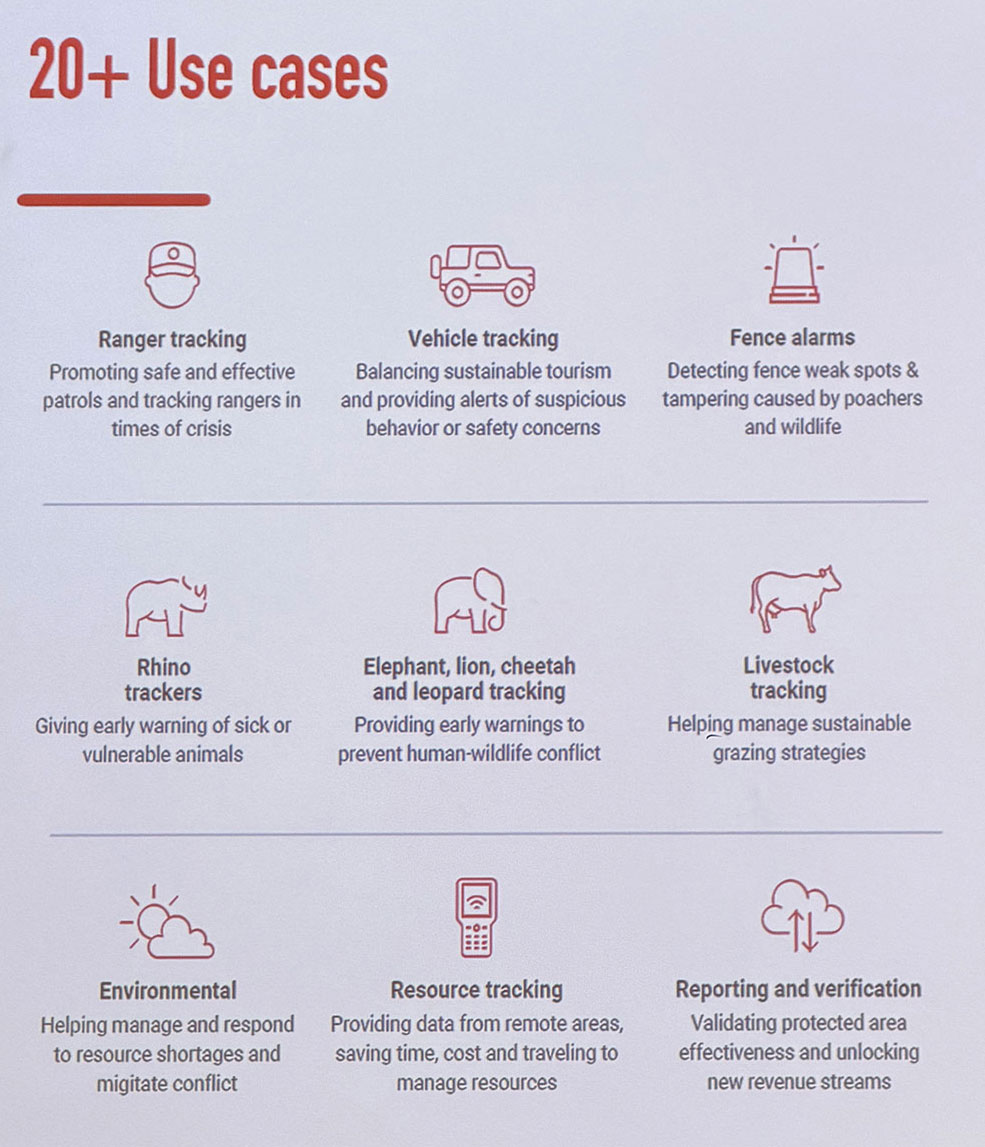
I was also very excited to finally meet Coreo’s new partners, Gentian, face-to-face. Their workshop explored how AI and very high-resolution satellite imagery can help turn complex ecological data into practical, decision-ready outputs. Examples included site-level habitat analysis, precision monitoring of nature recovery over time, and assessing the likelihood of protected or priority species being present on a site. Breaking into skill-focused groups, including a BNG table which I joined, participants discussed which existing solutions were already “good enough” and where AI-enabled technology could have the greatest impact in current workflows.

Friday’s workshops were both run by the nature recovery platform Verna Earth. After giving a pleasing shout out to Coreo and demonstrating their amazing biodiverstiy data analysis platform Mycelia, the workshop explored current challenges within the Biodiversity Net Gain process from policy, governance, financial, and technology perspectives. I joined the technology group alongside Gentian’s Eleanor Thomson, where discussions focused on simplifying the current BNG process, reducing fragmented data silos, and creating more standardised and centralised biodiversity data that could ultimately support more meaningful national-level analysis and decision-making.
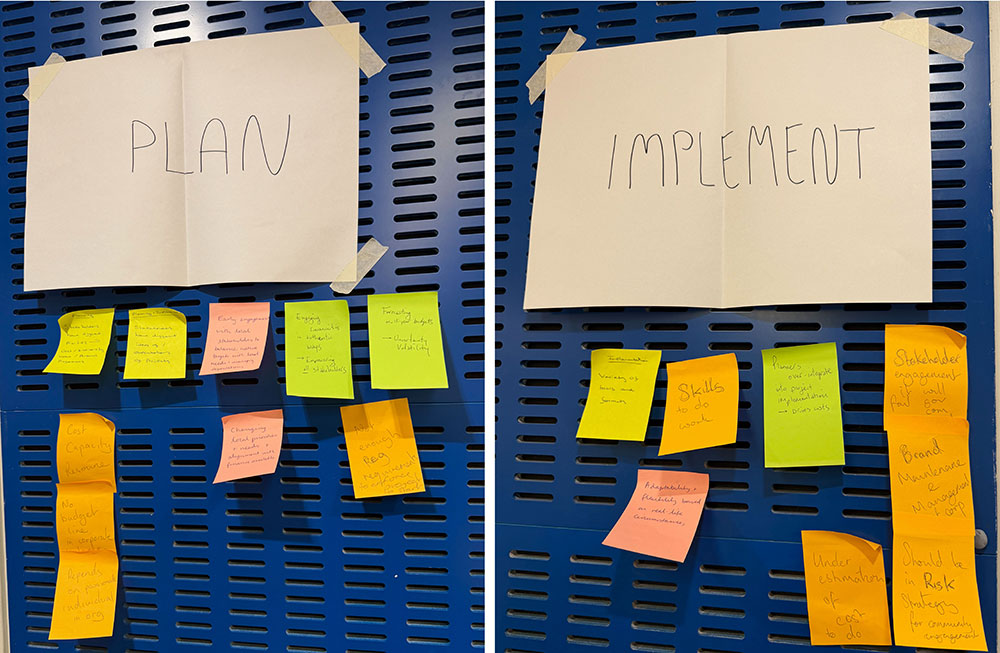
Participants were also given the persona of “Alex”, a site manager, and asked to build a shared understanding of where nature recovery programmes typically break down between commitment and delivery. Working through each stage of the process: planning, implementation, monitoring, communication and reporting, participants from a wide range of disciplines brought their own perspectives and experiences to the table to collaboratively explore the practical challenges faced at each stage.
Apart from the workshops and sharing of ideas, the best part about the unconference was meeting so many like minded and interested people, with such a broad range of skills and experiences. From other product designers and platform builders, to policy writers, remote sensing, bio-acoustics and eDNA experts, educators, and data scientist, it was great to feel a part of a wider community that is tackling such important shared goals.
A strong theme throughout the two days was that many of the tools needed to support better biodiversity outcomes already exist, but the next challenge is connecting them together in ways that are scalable, practical, and accessible. I left the event feeling excited not only about the future of nature tech, but also about the role Natural Apptitude and Coreo can continue to play in shaping more connected and collaborative approaches to biodiversity recovery, and the role I can play as a product designer working in the space.